
Add Row
Add Element
cropper
update
MCGRAIL ENTERPRISES
update
Add Element
  • Home
  • Categories
    • remodeling
    • Worcester
    • home
    • trends
    • tips
    • design
    • renovation
    • spaces
    • decor
    • inspiration
    • Extra News
May 29.2025
3 Minutes Read

Explore Exciting Mid-Year Kitchen Trends: Embrace Butter Yellow and Bold Red Marble

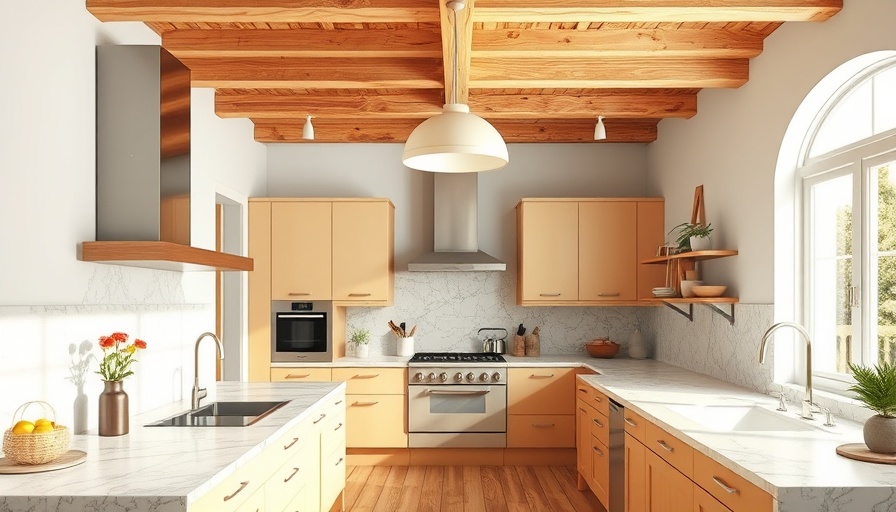
Modern kitchen design with marble features - Mid-Year Kitchen Trend Report

Reimagining Kitchens: The Rise of Vibrant Trends

The realm of kitchen design is perpetually evolving, and Mid-Year Kitchen Trend Report brings delightful fresh ideas for homeowners keen on renovation. From lustrous butter yellow accents to the daring embrace of red marble surfaces, the kitchen is set to become more than just a cooking space; it’s a statement of style and personality.

Trend Spotlight: Double Bullnose Counter Edges

One of the standout trends making waves this year is the double bullnose counter edge. This design choice marries classic elegance with modern aesthetics, presenting a softer look that invites touch. The visual appeal of this edge finish accentuated by heavily veined stones creates an audacious yet classy backdrop, giving kitchens a contemporary facelift.

Bold Choices: Embracing Red Marble

Stepping beyond neutral palettes, red, pink, and burgundy marbles are gaining traction among homeowners and designers looking to make bold statements. These vibrant hues add warmth and character, drawing attention while creating an inviting atmosphere. In kitchens, the trend of red marble elevates traditional designs, rewriting the rules of color usage in spaces often dominated by whites and grays.

Texture and Pattern: The Role of Unique Materials

The integration of various materials extends to texture and pattern, which enhances visual depth and intrigue. Mixing metals, embracing intricate tile work, and layering textiles in kitchen decor are strategies that foster a dynamic culinary environment. This approach not only stimulates aesthetic interest but also creates a space ripe for socialization and creativity.

Functional Design Meets Aesthetic Appeal

Homeowners are increasingly looking for functionality paired with breathtaking aesthetics. Designing kitchens to cater to lifestyle needs—like open layouts for gatherings or ergonomic spaces conducive to cooking—aligns with modern lifestyles. The integration of technology also plays a critical role, as smart solutions offer efficiency without compromising style.

The Power of Color: Butter Yellow Moments

Then there’s butter yellow—this hue radiates warmth and cheer, turning kitchens into heartwarming centers of the home. Integrating this color through cabinets, backsplashes, or accents can introduce a touch of sunshine to your cooking space, contributing to a vibrant ambiance that’s engaging and uplifting.

Designing for Resale Value: Practical Renovations

For many homeowners, understanding trends goes beyond personal preference; it’s about investing wisely in renovations that enhance resale value. Certain design choices, like installing durable countertops or modern appliances, not only cater to present desires but also ensure the kitchen retains attractiveness for prospective buyers.

Future Predictions: Where Is Kitchen Design Headed?

Looking ahead, the kitchen landscape is poised for innovations that marry sustainability with style. Eco-friendly materials, energy-efficient appliances, and designs that promote mindfulness appear to be on the rise. Homeowners are increasingly aware of their environmental impact, prompting a shift that values sustainability as much as aesthetics.

Taking Action: Your Kitchen Transformation Awaits

The kitchen provides a unique canvas to express individuality while fulfilling practical needs. Potential renovations are tempting for many, given the blend of current trends with personal style. Homeowners looking at revitalizing their kitchens this year have an exciting palette of options to consider. Whether it's adopting a double bullnose edge or exploring the bold richness of red marble, the possibilities are endless.

If you’re pondering a kitchen makeover, now is the time to dive into these trends and embrace the vibrant possibilities awaiting you. Explore inspiration on your dream reno or pin down ideas to discuss with your interior designer!

design

4 Views

0 Comments

Write A Comment

*
*
Related Posts All Posts
03.06.2026

Creating Family-Centered Spaces: Essentials in Home Design

Update Embracing Change: Personal Decisions that Reshape Lives In a recent reflection, Emily Henderson opened up about the significant life decisions that many individuals face, particularly surrounding the courage it takes to uproot and move. Her journey from Portland to Los Angeles and back again highlights a fundamental truth: life is a series of trade-offs. For many homeowners contemplating relocation, it's essential to weigh the pros and cons thoroughly. During the pandemic, her family's reflections on this decision bore meaningful realizations about their lifestyle and happiness. In the end, it’s not just about the physical space but the emotional bonds and memories that create a true sense of home. The Value of Family Interactions in Home Design Home isn’t just where you live; it’s where you connect. Henderson discussed her endeavors to engage actively with her children, finding creative ways to bond with them through shared experiences. Like many families, she embraced the idea that quality interactions matter just as much as aesthetic design. From snuggling up on a cozy couch for family shows like Survivor to creating ‘cuddle puddles’ in the living room, the essence of family life is on the rise. These moments show that functional spaces can also embody warmth and connection, allowing for homely interactions. Designing Spaces for the Whole Family Design is not just about style; it's about making spaces that foster relationships among family members. Drawing insights from designs by agencies like Stone House Collective and trends discussed by Northwestern Mutual, homeowners can create environments that encourage togetherness. Incorporating family-friendly elements, like oversized wall-mounted game boards or dedicated cozy corners for chatting, can transform ordinary living spaces into rich environments ripe for connection and fun. For instance, permaforts—personalized nooks in children’s rooms—offer the perfect retreat for kids to express themselves whilst bringing joy to family playtime. Likewise, outdoor designs that create dining spaces under twinkling lights can help gather family members during the warmer months. Such thoughtful designs help transitions between casual hangouts and meaningful conversations. Personal Touches for a Warm, Inviting Space One key takeaway from Henderson’s approach is the importance of personalization in your home. The blend of personal and shared spaces speaks volumes about how to cater to both family needs and individual preferences. High-quality fabrics that withstand the chaos brought by children, rugs that encourage play without sacrificing aesthetic—these elements reflect a deep understanding that homes are alive with stories and interactions. With each decision to include textures or styles that resonate with your family’s journey, homeowners are called to embrace their unique narratives, making design both stylish and functional. As lifestyle evolves, so too should our spaces. Going Beyond the Aesthetic: Insights for Future Trends Looking ahead, the home design landscape is shifting to accommodate families seeking stronger bonds. The trends of incorporating edible gardens, mid-yard dining, and backyard movie nights echo the desire for gatherings and shared experiences. As households gradually adapt post-pandemic, the need for homes that cater to socialization and community building becomes increasingly vital. By designing spaces that aren't just visually pleasing but also multi-functional, families can create lasting memories. Final Thoughts: Why This Matters for Homeowners The journey toward creating meaningful spaces isn't just a renovation challenge; it’s about building a house that reflects who we are as families. It encourages homeowners to embrace the aesthetics of their living spaces while fostering connections. Today’s household designs should promote engagement, with carefully selected materials and comfortable layouts. Understanding that design extends beyond functions into the realm of emotional connection is a transformative realization for anyone looking to enhance their home. Reach out to explore how these insights can foster your family’s connection today!

03.05.2026

Transform Your Home with Better Lighting: Avoid Common Mistakes

Update Why Lighting Matters: Avoiding Common Room Ruiners Every homeowner dreams of a space that feels welcoming and comfortable. Yet, there are frequently overlooked elements that can transform your favorite rooms into something you’d rather avoid. Chief among these are poor lighting choices, which can drastically affect the ambiance and usability of any space. Identifying the Room Ruiners With the multitude of design decisions to make in crafting a home, it can be easy to overlook critical elements that compromise enjoyment. One of the most cited culprits is harsh overhead lighting. As pointed out by interior designers, inadequate or overly bright lighting can create a clinical atmosphere, reminiscent of a hospital or warehouse, making it uncomfortable for family members and guests alike. The best lighting schemes incorporate a variety of sources, including ambient, task, and accent lighting. When approaching your lighting plan, think about how you use each room—this should guide your choices to create a harmonious environment. The Importance of Layered Lighting As noted in various expert opinions, cultures across the globe highlight the profound impact light has on moods and usability. Using only one type of lighting—typically a solitary ceiling fixture—leaves a space feeling flat, regardless of its decor. A successful lighting approach involves layering multiple light sources to create versatility and warmth. For example, in kitchen areas, layer lights by combining pendants or chandeliers with under-cabinet lighting, which not only serves a function but also adds character. Coupling bright task lighting with softer, ambient fixtures allows for an adaptable environment suitable for everything from cooking to dining. Choosing the Right Temperature: The Secret to Warmth The temperature of your light bulbs is paramount. Choose warmer tones (around 2700K to 3000K) for living spaces; cooler tones can create an unwelcoming feel. Experts warn against lighting that resembles hospital settings, underscoring that a cozy glow is often the key to a room feeling like home. Notably, opting for dimmers adds enhanced functionality—allowing you to adjust brightness to fit your mood or occasion, from lively gatherings to tranquil evenings. Understanding Shadows: Creating Depth and Interest It’s not just about the brightness; shadows play a crucial role in defining a space’s ambiance. Thoughtfully positioning light sources can create texture and depth, adding an artistic quality to your decor. For instance, using wall sconces at eye level can remove harsh shadows from faces during everyday tasks, enhancing functionality without sacrificing style. Adjustment and Flexibility: The Power of Movement Another valuable tip is the versatility of your lighting choices. Consider introducing floor and table lamps that can be easily moved to suit different needs or spaces. Rechargeable, portable lamps are practical in achieving desired lighting levels without being tethered to wall installations. This kind of flexibility adds a layer of comfort and personalization to your home. It’s important to embrace the idea of experimenting with lighting throughout your spaces. For example, shifting the placement of a floor lamp or introducing a dramatic pendant can redefine how a room feels and functions. Conclusion: Refine Your Spaces with Thoughtful Lighting Choices Ultimately, effective lighting has the power to enhance the usability and aesthetic appeal of your home. By avoiding common pitfalls such as over-relying on harsh overhead lights and neglecting a layered approach, your rooms can truly shine. Assess your current lighting and consider switching to softer options, including dimmers, to create inviting spaces that make you and your guests feel at home. Select the right temperatures and be conscious of how light and shadows interact throughout your home. Don't hesitate to experiment—the perfect lighting setup will transform a room from a dreaded space into one that is charming and filled with warmth.

03.04.2026

Transform Your Space: How to Create a Biophilic Style Kitchen

Update Embrace the Biophilic Revolution in Kitchen Design In the world of home improvement, biophilic design is quickly gaining traction, especially in kitchens—the heart of the home. This design philosophy aims to blend natural elements with functional spaces, creating not just visually appealing environments, but also nurturing sanctuaries that promote health and well-being. By integrating natural materials and promoting indoor gardening, homeowners can create spaces that elevate their quality of life while encouraging eco-conscious living. Understanding the Essence of Biophilic Design At its core, biophilic design promotes a deep connection with nature, one that has proven psychological and physical benefits. Studies suggest that introducing elements like indoor plants and natural light can significantly reduce stress levels, enhance mood, and even improve cognitive function. Greenery in the kitchen—ranging from herbs to larger plants—helps purify the air, drawing us closer to our natural surroundings in a space where we often gather, cook, and connect. Key Elements of a Biophilic Kitchen Creating a biophilic kitchen is about intentional integration of various natural elements. Here are some foundational aspects: Natural Materials: Incorporate materials such as wood, stone, and bamboo that not only add beauty but create a more tactile experience. Light: Maximize natural light through windows or skylights, contributing to a bright and inviting atmosphere while reducing energy costs. Greenery: Living plants, whether hanging or potted, enhance air quality and provide a soothing visual appeal. Consider adding a herb garden on your windowsill to enjoy fresh ingredients! Earthy Color Palettes: Use soft greens, browns, and subtle blues to evoke the shades found in nature, pulling the outdoors in and providing a calming backdrop. Practical Tips for Integrating Biophilic Design Transforming your kitchen into a biophilic haven doesn’t require a complete overhaul. Here are actionable insights: Start Small: Introduce indoor plants to your kitchen. Low-maintenance options like peace lilies or spider plants are perfect for beginners. Natural Lighting: If possible, reconfigure your layout to include larger windows. This allows for ample sunlight, making your kitchen feel more spacious and vibrant. Choose Warm Woods: Opt for wooden cabinets, shelves, or countertops. Their textures draw a natural warmth, inviting comfort into the culinary space. Offer Textural Variety: Blend different materials like stone backsplashes with wooden cabinetry. These contrasts not only captivate the eye but enhance the sensory experience. Benefits of Choosing a Biophilic Kitchen Design Integrating biophilic principles into your kitchen offers numerous advantages: Enhanced Well-being: As studies suggest, spending time around plants and natural materials can promote mental health and overall happiness. Increased Home Value: Biophilic design elements often appeal to potential buyers, elevating your home's marketability and resale value. Promoting Mindfulness: A thoughtfully designed kitchen fosters mindful cooking and eating practices, enhancing the connection to the food you prepare and consume. Energy Efficiency: Utilizing natural light reduces reliance on artificial lighting, contributing to lower energy bills and a smaller carbon footprint. Common Misconceptions in Biophilic Kitchen Design Despite its popularity, there are misconceptions about biophilic design. Many believe it mandates an extensive budget or a total redesign: It’s Expensive: Incorporating biophilic elements doesn’t have to break the bank. Simple changes like adding plants or fresh paint can make a significant difference. It's Only for Large Spaces: Biophilic design can be effectively applied in small kitchens through smart layouts and the use of vertical gardening. What to Expect When Designing a Biophilic Kitchen As home improvement contractors, understanding the nuances of biophilic design can set you apart in a competitive market. When discussing kitchen renovations with clients, emphasize how biophilic design improves their daily living experience while connecting them to nature. Share captivating stories of transformed spaces that have led to healthier lifestyles. In conclusion, embracing the principles of biophilic kitchen design not only enriches the culinary experience but aligns it with the holistic wellness of its occupants. As you plan your next home improvement project, consider how these natural elements can create a lasting impact. Ready to embark on a journey of redesign? Exploring biophilic elements could elevate your home transformation project, marking it as a leader in innovative, health-focused design.

Terms of Service

Privacy Policy

Core Modal Title

Sorry, no results found

You Might Find These Articles Interesting

T
Please Check Your Email
We Will Be Following Up Shortly
*
*
*