
Add Row
Add Element
cropper
update
MCGRAIL ENTERPRISES
update
Add Element
  • Home
  • Categories
    • remodeling
    • Worcester
    • home
    • trends
    • tips
    • design
    • renovation
    • spaces
    • decor
    • inspiration
    • Extra News
March 03.2025
3 Minutes Read

Transform Your Kitchen: Matching Appliances With Design Aesthetics

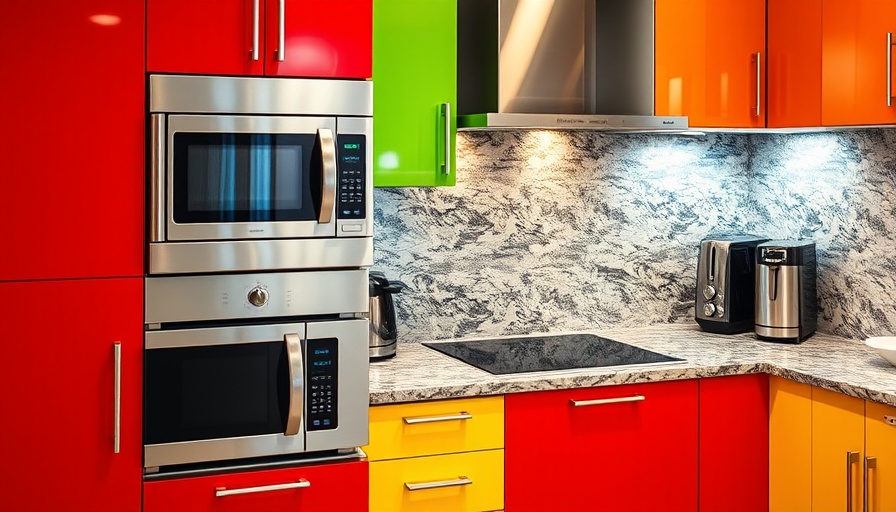
Vibrant kitchen design with matching appliances and colorful cabinets.

Creating Cohesive Spaces: Matching Appliances With Your Kitchen Design

When it comes to remodeling kitchens, one of the most pivotal decisions involves top-quality appliances that meet both aesthetic and functional needs. For home remodeling contractors, understanding how to blend appliance choices with the overall kitchen design can elevate a culinary space dramatically.

Assessing Your Kitchen Design Needs

Before diving into appliance selection, it’s essential to evaluate specific kitchen design needs. Contractors should encourage clients to consider their cooking habits and space configurations. Is the client an avid chef in need of heavy-duty equipment, or do they prioritize a sleek design? Providing tailored advice on appliance selection ensures that each choice harmonizes with the kitchen's overarching vision.

Harmonizing Appliances With Design Aesthetics

Appliances serve as visual and functional cornerstones of any kitchen. Determining a cohesive design aesthetic is crucial—for instance, a modern kitchen may shine with stainless steel appliances, while rustic designs pair beautifully with vintage-inspired machines. Understanding these aesthetic nuances allows contractors to guide their clients in creating spaces that are not just functional but also inviting.

Mixing Functionality With Form

While aesthetics are vital, the functionality of appliances cannot be overlooked. Home contractors should educate clients on the importance of investing in appliances that meet their unique culinary routines. For instance, high-performance ranges with innovative features appeal to serious home chefs, whereas families may opt for smart appliances that streamline their daily chores. Balancing these aspects ensures that the kitchen not only looks great but also serves its practical purpose efficiently.

Space Considerations in Appliance Selection

The layout of a kitchen significantly affects appliance choice. For compact spaces, recommending space-saving options, such as slimline dishwashers and counter-depth refrigerators, can optimize functionality without sacrificing style. Furthermore, proper placement of electrical outlets and plumbing can ensure a seamless integration of these appliances. Understanding traffic flow and work areas can greatly enhance kitchen usability, creating an efficient environment.

Prioritizing Energy Efficiency and Sustainability

With a rising emphasis on environmental responsibility, it’s crucial for contractors to help clients choose energy-efficient appliances. Not only do these models reduce the carbon footprint, but they also lead to substantial savings on utility bills. Recommend appliances with high Energy Star ratings as these options signify reduced environmental impacts and budget-friendly performance.

Budgeting for Long-Term Value

While premium appliances can be enticing, it’s imperative to guide clients in understanding the implications of their investments. Evaluating lifecycle costs—considering both upfront expenses and long-term maintenance—will help clients appreciate the value of quality appliances. Contractors can suggest exploring financing options, as well as promotions from retailers, making it feasible to secure high-quality equipment without stretching budgets.

Practical Tips for a Harmonious Kitchen Design

To create a cohesive kitchen, contractors can suggest incorporating timeless colors and finishes. Classic appliances in stainless steel or white can serve as anchor pieces, creating a balanced look against more personalized accents. Installing integrated appliances that blend into cabinetry can also streamline visual elements, enhancing the kitchen’s aesthetic appeal.

Expert Guidance: The Role of Remodeling Contractors

For home remodeling contractors, being well-versed in the dynamics of appliance selection and kitchen design allows for exceptional client guidance. Incorporating skilled advice about balancing aesthetics with functionality can help create inviting kitchens that resonate with homeowners' lifestyles.

Final Thoughts and Next Steps

As contractors, your role extends beyond simple renovations; it’s about crafting spaces where homeowners can thrive. Encourage clients to dream big while staying grounded in practicalities, ensuring their remodeled kitchens are elegant and efficient. If you're looking for high-quality kitchen remodeling service near you, consider reaching out to the best names in home improvement.

renovation

4 Views

0 Comments

Write A Comment

*
*
Related Posts All Posts
01.20.2026

Granite JV Secures $157 Million Bridge Widening in Tucson: What It Means for Homeowners

Update Granite JV Takes on Major Tucson Bridge Widening Project In an exciting advancement for infrastructure development, the Granite Construction-led joint venture has secured a premium contract worth $157 million to overhaul the 22nd Street Bridge in Tucson, Arizona. The project aims to replace the existing four-lane bridge that spans over Barraza-Aviation Parkway and the Union Pacific Railroad with a more modern six-lane structure. Alongside this upgrade, 22nd Street will be redeveloped from Kino Parkway to Tucson Boulevard, enhancing regional connectivity and traffic flow. A Strategic Investment in Local Infrastructure This significant investment is not merely a construction project; it serves as a catalyst for economic growth in Tucson. The funding sources include the City of Tucson, the Regional Transportation Authority, and a $25 million grant from the federal Department of Transportation's RAISE (Rebuilding American Infrastructure with Sustainability and Equity) Grant program. The focus on infrastructure rejuvenation is aligned with national efforts to improve transportation networks and ensure public safety. Local Resources and Materials in Action Granite plans to utilize 10,525 tons of asphalt sourced from its nearby Swan Facility. Derek Betts, the vice president of regional operations at Granite, emphasized the firm’s commitment to employing local resources. “By combining Granite’s strong local resources with Traylor Bros’ extensive experience in complex segmental bridge construction, we are well-positioned to deliver a high-quality project for the people of Tucson,” stated Betts. This local approach not only enhances project quality but also fosters community relationships. Further Developments in the Pipeline This isn’t the only major project for Granite. Just last October, the firm initiated work on the $138 million Lake Street Bascule Bridge project for the Chicago DOT, further showcasing its role as a leader in infrastructure projects across the nation. Considering the scale and importance of these endeavors, Granite's ongoing projects have broader implications for job creation and community enhancement. Why This Matters to You For homeowners and families in Tucson, this development signals improved safety and reduced congestion on a vital transportation route, potentially increasing property values in the area. As infrastructure investments continue, it may pave the way for more home improvement opportunities and remodeling services. Keeping abreast of such developments can help homeowners identify when and where to engage local contractors, ensuring they maximize the benefits of these revitalized areas. Explore how these crucial enhancements in transport can open avenues not just for business but also for homeowners looking to renovate. Consider reaching out to nearby home improvement services, as this initiative could lead to new opportunities in remodeling and renovations.

01.17.2026

Reforming the EB-3 Visa Program: A Path to Solving Construction Labor Issues

Update Addressing the Construction Labor Shortage Through Immigration Reform The construction industry is grappling with a persistent workforce shortage, a crisis that has troubled U.S. builders for over a decade. As demands increase, the need for skilled laborers, such as concrete workers and carpenters, has reached a critical point. The Associated Builders and Contractors has projected an urgent requirement of approximately 300,000 new construction workers just to meet current demand. Despite various strategies—wage increases, bonuses, and training programs—the efforts to attract workers locally have fallen short. Identifying a Simpler Solution: The Dignity Act One potential breakthrough lies in reforming the EB-3 visa program, which currently allows U.S. employers to sponsor foreign workers for positions they cannot fill locally. However, the existing cap on the number of visas, particularly in the “Other Workers” category, inadvertently hampers the program's effectiveness. Currently, out of the 10,000 EB-3 visas allocated yearly, 7,000 are utilized by family members of workers, leaving only 3,000 for actual labor positions—a glaring inefficiency that needs addressing. The Implications of Reform on Home Improvement Projects The Dignity Act, introduced recently, proposes a much-needed change: only the principal worker would count against the cap, thus freeing up 7,000 visas for skilled laborers. This minor tweak could have drastic consequences: tripling the number of EB-3 workers could lead to significant progress in alleviating the labor shortages affecting construction and home improvement sectors. The Act also pledges nearly $4 billion to improve processing times for these applications, which could streamline the hiring process for contractors and significantly reduce project delays. Why Homeowners and Contractors Should Care For homeowners, especially those considering renovations or new constructions, these changes may translate into faster project timelines and access to a wider pool of skilled contractors. As the Dignity Act garners bipartisan support from various industry groups, including the U.S. Chamber of Commerce, it signifies a growing recognition of the importance of addressing these workforce challenges. Homeowners looking for services like home remodeling or bathroom renovations in their local areas will likely benefit from a more robust, efficient construction workforce. Conclusion: Advocating for Change As construction stakeholders, homeowners, and those in the building industry, understanding and advocating for changes like those proposed in the Dignity Act can lead to a more sustainable and efficient labor market. By pushing for these reforms, we may not only meet existing demand but create a more vibrant, responsive building environment—one that serves families and communities better than ever.

01.12.2026

Kansas DOT's Record $288M Contract: Transforming Local Infrastructure for Homeowners and Businesses

Update Historic Contract for Kansas DOT Marks a New Era in Infrastructure The Kansas Department of Transportation (KDOT) has made headlines by awarding its largest construction contract in history—a monumental $287.97 million deal to reconstruct U.S. 54 and K-96 in Sedgwick and Butler counties. This milestone, awarded to the joint venture Dondlinger Wildcat EKC1, will significantly transform the region's transportation landscape. What the Project Entails and Its Benefits The ambitious project entails expanding U.S. 54 into a six-lane corridor and reconstructing about one mile of K-96. Additionally, it will bring forth the replacement of 26 bridges, improvement of several interchanges, and the construction of numerous retaining walls and two-lane frontage roads. Such enhancements will not only improve traffic flow but also support local businesses by providing better access. A Step Towards Modernized Transportation As part of KDOT’s Eisenhower Legacy Transportation Program, this contract represents a broader commitment to modernizing and expanding Kansas’ transportation infrastructure, with a total investment of $10 billion spread over the next decade. This renewal aims to ensure safety and longevity in transport networks, an essential lifeline for both local residents and burgeoning businesses. Future Impact on the Community Scheduled to begin construction in spring 2026, the project will have a ripple effect on the local economy. Construction not only provides immediate jobs but also helps in fostering an economic environment conducive to growth. The improvements to local infrastructure highlight the commitment of state authorities to boost mobility and accessibility within the growing Wichita area. Conclusion The sheer scale of this contract underscores the importance of investing in infrastructure to ensure the continued prosperity and safety of Kansas communities. As these developments unfold, it opens doors for homeowners, contractors, and businesses to adapt and thrive in an evolving urban landscape.

Terms of Service

Privacy Policy

Core Modal Title

Sorry, no results found

You Might Find These Articles Interesting

T
Please Check Your Email
We Will Be Following Up Shortly
*
*
*