
Add Row
Add Element
cropper
update
MCGRAIL ENTERPRISES
update
Add Element
  • Home
  • Categories
    • remodeling
    • Worcester
    • home
    • trends
    • tips
    • design
    • renovation
    • spaces
    • decor
    • inspiration
    • Extra News
May 27.2025
2 Minutes Read

Impact of New Buy America Rules on Home Remodeling Projects

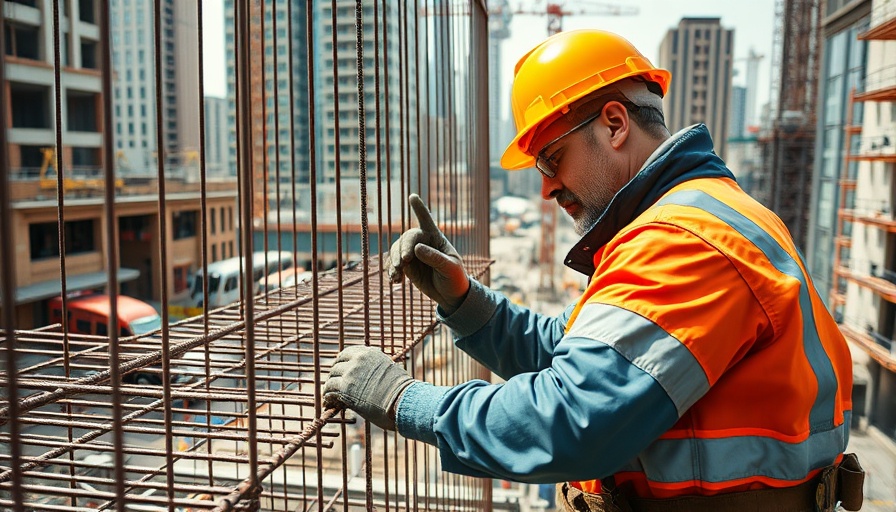
Construction worker scaling rebar on FHWA project site.

The New Era of Buy America: What Homeowners and Contractors Need to Know

The recent implementation of the Build America, Buy America Act has quietly shifted the landscape for construction projects fueled by federal funding. With the elimination of the Manufactured Products General Waiver, homeowners and contractors alike must brace for potential impacts on everything from costs to compliance timelines.

Understanding the Compliance Requirements

Starting March 17, 2022, contractors are mandated to adhere to stricter regulations regarding the sources of manufactured products. This new ruling will require that, for projects initiated after October 1, 2025, the final assembly must occur in the United States. Additionally, by October 1, 2026, a minimum of 55% of product content must be domestically sourced by cost. This change could influence both the market and pricing of home improvement projects.

The Cost and Scheduling Implications

As the construction industry endeavors to comply with these requirements, contractors may face increased procurement costs. Homeowners looking for home improvement or remodeling services could see higher quotes or delayed project timelines. Compliance may lead to price hikes in essential materials like steel and concrete as suppliers adapt to new regulations and processes.

Potential Changes in Project Quality

Quality control is another crucial aspect to consider. Stricter sourcing standards may result in a limited supply of materials, which can affect the quality of outcomes. Contractors may be forced to select alternative materials or suppliers, thus compromising the expected standards of home renovation services.

A Call for Strategic Planning

In light of these developments, proactive planning is essential. Homeowners should consult with contractors near me to understand how these changes might impact their upcoming projects. Additionally, exploring local options for procurement may mitigate cost increases.

Now is the time for homeowners and contractors alike to adapt to these new regulations. Ensuring that your home remodeling or home repair projects comply with the latest guidelines will not only safeguard your investments but also contribute to the broader goal of bolstering the domestic economy. For those contemplating kitchen remodeling or bathroom renovation services, seeking local expertise may yield the best results.

renovation

11 Views

0 Comments

Write A Comment

*
*
Related Posts All Posts
01.22.2026

Explore the Top Kitchen and Bath Trends for 2026 to Refresh Your Home

Update Refresh Your Home: Kitchen and Bath Trends for Early 2026 The start of 2026 offers the perfect opportunity for homeowners to evaluate their living spaces—especially the kitchen and bathroom, which are among the most frequently used areas in any home. Whether you're contemplating a full-scale renovation or just a few small updates, it's crucial to stay informed about the latest trends that can enhance both beauty and functionality within these vital spaces. Timeless Designs: Blending Style and Function Embracing classic design elements that are both stylish and functional is at the forefront of kitchen and bath trends this year. Homeowners are increasingly drawn to clean lines, neutral color palettes, and durable materials. These timeless choices not only exude elegance but also stand the test of time, ensuring that investments made today will remain relevant for many years to come. Planning your updates earlier in the year allows for a more thoughtful approach, putting you on the path to achieving a space that feels intentional and fulfilling. Cozy Kitchens: The Heart of Your Home As the kitchen evolves into the heart of the home, designers are focusing on creating environments that exude warmth and comfort. In early 2026, look for trends that emphasize layered lighting and textured backsplashes. Warmer wood tones, paired with sleek surfaces, can transport your kitchen from merely practical to a cozy haven, conducive for family gatherings and festive dinners alike. This blend of aesthetics with utility ensures that you can enjoy both beauty and efficiency in your daily routines. Creating Spa-Like Retreats in Your Bathroom The bathroom is no longer just a utilitarian space; it has transformed into a sanctuary for relaxation and rejuvenation. More homeowners are exploring spa-inspired features, such as walk-in showers and luxurious tub designs, designed to give a calming ambience after a long day. Incorporating natural materials like stone and wood-look tiles fosters a serene environment. Furthermore, smart storage solutions are essential for keeping your retreat organized and clutter-free, maximizing the tranquil feel that homeowners desire. Smart Storage Solutions for Modern Families With busy lifestyles becoming increasingly common, the importance of effective storage cannot be overstated. Updating your kitchen and bathroom with innovative storage solutions can dramatically improve your living experience. Think deep drawers, pull-out shelves, and built-in organizers—all designed to streamline daily tasks and keep your countertops clear. By prioritizing functional design, homeowners will find that their day-to-day lives are enhanced significantly. Updated Trends for 2026: Kitchens and Bathrooms This year, kitchen and bath trends also reflect the growing emphasis on sustainability and personalization. Homeowners want spaces that not only look good but also function beautifully. Expect features like oversized sinks, integrated workstations, and programmable lighting to become common as they cater to both beauty and effectiveness in home improvement. A shift towards more customizable options allows homeowners to infuse personal styles through unique finishes and hardware. The Evolution of Minimalism Another notable trend is the evolution of minimalism. Today's approach leans towards 'warm minimalism,' characterized by minimal clutter and clean lines, softened with layers of texture and warm neutrals. This allows spaces to feel more inviting while maintaining a sense of order and elegance. By eliminating stark contrasts and inviting warmth into designs, homeowners can create a tranquil atmosphere that feels lived-in rather than sparse. Getting Started with Your Home Update As you consider updates to your kitchen and bathroom, from a simple refresh to a full remodel, January stands out as the ideal time to initiate plans for your personalized spaces. Engaging with experts like Mission West Kitchen & Bath can provide you with the insights and support necessary to transform your visions into reality. Planning early enables you to navigate the available options and make informed decisions that align with your desired aesthetic and functionality. Call to Action: Transform Your Home Today Ready to give your kitchen or bathroom a fresh new look? Don’t wait any longer! Contact Mission West Kitchen & Bath today for your personalized consultation, and embark on the journey to create the home you’ve always dreamed of. From design to execution, our team is dedicated to ensuring your satisfaction.

01.20.2026

Granite JV Secures $157 Million Bridge Widening in Tucson: What It Means for Homeowners

Update Granite JV Takes on Major Tucson Bridge Widening Project In an exciting advancement for infrastructure development, the Granite Construction-led joint venture has secured a premium contract worth $157 million to overhaul the 22nd Street Bridge in Tucson, Arizona. The project aims to replace the existing four-lane bridge that spans over Barraza-Aviation Parkway and the Union Pacific Railroad with a more modern six-lane structure. Alongside this upgrade, 22nd Street will be redeveloped from Kino Parkway to Tucson Boulevard, enhancing regional connectivity and traffic flow. A Strategic Investment in Local Infrastructure This significant investment is not merely a construction project; it serves as a catalyst for economic growth in Tucson. The funding sources include the City of Tucson, the Regional Transportation Authority, and a $25 million grant from the federal Department of Transportation's RAISE (Rebuilding American Infrastructure with Sustainability and Equity) Grant program. The focus on infrastructure rejuvenation is aligned with national efforts to improve transportation networks and ensure public safety. Local Resources and Materials in Action Granite plans to utilize 10,525 tons of asphalt sourced from its nearby Swan Facility. Derek Betts, the vice president of regional operations at Granite, emphasized the firm’s commitment to employing local resources. “By combining Granite’s strong local resources with Traylor Bros’ extensive experience in complex segmental bridge construction, we are well-positioned to deliver a high-quality project for the people of Tucson,” stated Betts. This local approach not only enhances project quality but also fosters community relationships. Further Developments in the Pipeline This isn’t the only major project for Granite. Just last October, the firm initiated work on the $138 million Lake Street Bascule Bridge project for the Chicago DOT, further showcasing its role as a leader in infrastructure projects across the nation. Considering the scale and importance of these endeavors, Granite's ongoing projects have broader implications for job creation and community enhancement. Why This Matters to You For homeowners and families in Tucson, this development signals improved safety and reduced congestion on a vital transportation route, potentially increasing property values in the area. As infrastructure investments continue, it may pave the way for more home improvement opportunities and remodeling services. Keeping abreast of such developments can help homeowners identify when and where to engage local contractors, ensuring they maximize the benefits of these revitalized areas. Explore how these crucial enhancements in transport can open avenues not just for business but also for homeowners looking to renovate. Consider reaching out to nearby home improvement services, as this initiative could lead to new opportunities in remodeling and renovations.

01.17.2026

Reforming the EB-3 Visa Program: A Path to Solving Construction Labor Issues

Update Addressing the Construction Labor Shortage Through Immigration Reform The construction industry is grappling with a persistent workforce shortage, a crisis that has troubled U.S. builders for over a decade. As demands increase, the need for skilled laborers, such as concrete workers and carpenters, has reached a critical point. The Associated Builders and Contractors has projected an urgent requirement of approximately 300,000 new construction workers just to meet current demand. Despite various strategies—wage increases, bonuses, and training programs—the efforts to attract workers locally have fallen short. Identifying a Simpler Solution: The Dignity Act One potential breakthrough lies in reforming the EB-3 visa program, which currently allows U.S. employers to sponsor foreign workers for positions they cannot fill locally. However, the existing cap on the number of visas, particularly in the “Other Workers” category, inadvertently hampers the program's effectiveness. Currently, out of the 10,000 EB-3 visas allocated yearly, 7,000 are utilized by family members of workers, leaving only 3,000 for actual labor positions—a glaring inefficiency that needs addressing. The Implications of Reform on Home Improvement Projects The Dignity Act, introduced recently, proposes a much-needed change: only the principal worker would count against the cap, thus freeing up 7,000 visas for skilled laborers. This minor tweak could have drastic consequences: tripling the number of EB-3 workers could lead to significant progress in alleviating the labor shortages affecting construction and home improvement sectors. The Act also pledges nearly $4 billion to improve processing times for these applications, which could streamline the hiring process for contractors and significantly reduce project delays. Why Homeowners and Contractors Should Care For homeowners, especially those considering renovations or new constructions, these changes may translate into faster project timelines and access to a wider pool of skilled contractors. As the Dignity Act garners bipartisan support from various industry groups, including the U.S. Chamber of Commerce, it signifies a growing recognition of the importance of addressing these workforce challenges. Homeowners looking for services like home remodeling or bathroom renovations in their local areas will likely benefit from a more robust, efficient construction workforce. Conclusion: Advocating for Change As construction stakeholders, homeowners, and those in the building industry, understanding and advocating for changes like those proposed in the Dignity Act can lead to a more sustainable and efficient labor market. By pushing for these reforms, we may not only meet existing demand but create a more vibrant, responsive building environment—one that serves families and communities better than ever.

Terms of Service

Privacy Policy

Core Modal Title

Sorry, no results found

You Might Find These Articles Interesting

T
Please Check Your Email
We Will Be Following Up Shortly
*
*
*