
Add Row
Add Element
cropper
update
MCGRAIL ENTERPRISES
update
Add Element
  • Home
  • Categories
    • remodeling
    • Worcester
    • home
    • trends
    • tips
    • design
    • renovation
    • spaces
    • decor
    • inspiration
    • Extra News
March 07.2025
2 Minutes Read

How Tariffs Shake Up Home Remodeling Services and Construction Costs

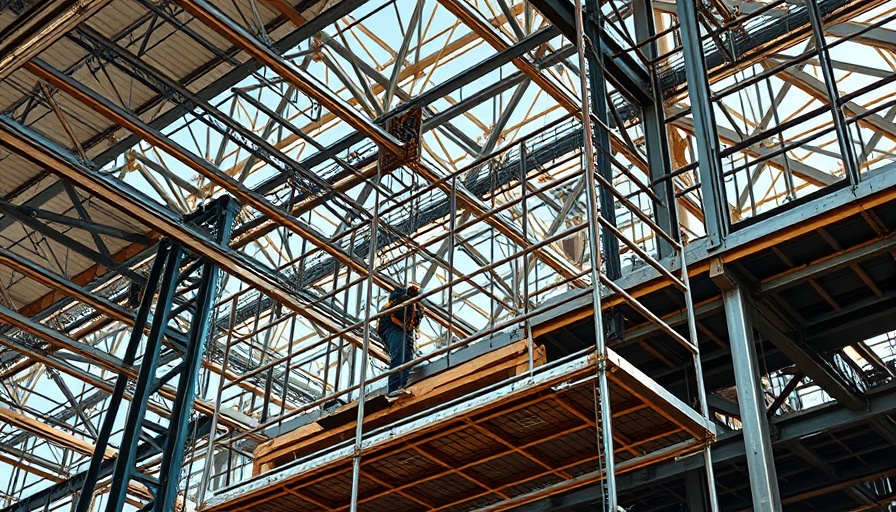
Construction worker engaged in structural work surrounded by metal and beams.

Understanding the Impact of Tariffs on Home Construction Costs

President Trump’s recent tariffs have sent shockwaves through the construction industry, raising crucial questions for homeowners, contractors, and new buyers. A 25% tariff on goods from Mexico and Canada, coupled with a 10% tariff on Chinese imports, has elevated costs for essential construction materials, which could have lasting implications for homebuilding and remodeling.

How Tariffs Affect Home Prices and Construction Projects

As the construction industry grapples with these new tariffs, experts estimate that home builders could see increased costs ranging from $7,500 to $10,000 per home. Lumber, a primary input for building, is expected to bear the brunt of these tariffs, with increases of around $4,900 attributed to the rising prices. With nearly a third of the lumber used in U.S. homes sourced from Canada, the implications of these tariffs are especially critical.

Rising Material Costs: A Ripple Effect

The impact of tariffs extends beyond lumber. Key imports such as drywall, appliances, and aluminum now carry higher price tags, affecting everything from kitchen renovations to bathroom remodels. Homeowners planning improvements or repairs may find their renovation budgets stretched thinner as costs inevitably rise due to the escalating prices of these vital materials.

Contractors Feel the Pressure: Project Budgets on the Line

Contractors, particularly those engaged in home remodeling services, are increasingly anxious as they navigate this uncertain landscape. Fixed-price contracts, common in renovation projects, place builders at risk if they cannot absorb the increased material costs. As project budgets tighten, homeowners and contractors alike must explore options to mitigate these effects.

The Role of Homeowners: Staying Informed and Proactive

For homeowners, understanding the current state of the construction market is critical. With the potential for rising prices, now is the time to engage with reputable contractors near you to discuss potential remodeling projects and gain insights into cost-saving strategies. Home improvement decisions should be informed to avoid costly surprises.

Future Predictions: Navigating a New Construction Landscape

Looking ahead, industry experts predict that the combination of tariffs and rising material costs could shift the home construction paradigm. With consumers potentially priced out of new homes, existing home prices may rise due to increased demand. This shift underscores the importance of adapting and being strategic about renovation plans or new constructions.

Conclusion: Taking Action Amid Uncertainty

As homeowners and contractors alike navigate a complicated and evolving market, staying informed is vital, especially as reports indicate that inflation and supply chain disruptions could linger. Consider consulting with home renovation services in your area to plan effectively for any upcoming remodels. Your home deserves the best, and understanding how tariffs impact construction will help you make informed decisions.

renovation

7 Views

0 Comments

Write A Comment

*
*
Related Posts All Posts
03.04.2026

Data Centers Drive Schneider Electric's Growth: What It Means for Homeowners

Update The Rise of Data Centers and Their Impact on Schneider Electric As we navigate a rapidly evolving technological landscape, data centers have emerged as a frontrunner in transformative industries. Schneider Electric has positioned itself to capitalize on this growth, reporting a remarkable organic revenue increase of 8.9% for the year 2025, with North America seeing the most significant gains. Driven by strong demand for energy-efficient solutions and infrastructure for high-performance computing, the company expects its data center-related verticals to grow at an impressive rate of over 10% per year through 2030. Understanding the Electrification Supercycle Schneider Electric’s success is closely tied to the electrification supercycle—a trend that sees heightened investment in electrical systems across various industries. While the company is well-known for its energy management technology, it's the synergy between data centers and advancements in electrification, automation, and digital solutions that places Schneider at the forefront. Key to this growth is the anticipated shift towards 800-volt direct-current electric architectures, a step that modernizes data facilities, making them more efficient and sustainable. What Homeowners Need to Know About Data Centers Data centers may seem distant from the average homeowner, but their growth directly impacts many facets of our lives—especially in an age of increasing reliance on cloud services and digital connectivity. As these facilities expand, they drive demand for home improvement services specialized in energy efficiency, cooling solutions, and smart home technologies. For homeowners or those considering renovations, aligning with contractors experienced in energy management could offer both cost savings and enhanced functionality. Future Trends in Home Energy Efficiency The advancements in data center technology are emerging alongside a personal and societal push for greener energy solutions. Schneider Electric predicts ready adoption of energy-efficient products across its service sectors, including residential renovations. Homeowners seeking renovations, whether it’s kitchen remodeling or bathroom renovation services, should consider integrating energy-efficient systems that mirror the expectations of modern data centers. Such upgrades not only boost property value but also provide long-term savings on energy bills. Concluding Insights As data centers continue to shape the future of technology and energy management, homeowners should take heed of how these trends can benefit their dwellings. Engaging with local home renovation services that emphasize energy efficiency aligns personal improvement projects with broader advancements in the industry. Explore options for sustainable updates with contractors near you to ensure your home is ready for the future.

03.03.2026

Understanding the Manufacturing Slump: How It Impacts Home Remodeling

Update The Decline of Nonresidential Construction Spending: What Homeowners Need to Know As 2026 unfolds, the downward trend in nonresidential construction spending continues, primarily impacted by a notable slump in manufacturing projects. According to recent reports, expenditures on factory-related endeavors fell sharply, revealing a 0.6% decrease in nonresidential construction spending month over month in December. Surprisingly, it is not just manufacturing that is feeling the pressure; key segments such as highway and street projects also mirrored this decline, making it evident that the current economic climate is steeped in uncertainty. Understanding the Economic Ripple Effect The downturn in construction spending resonates far beyond the immediate impacts. For homeowners, especially those considering home improvements or expansions, the manufacturing sector’s slump can lead to potential delays and increased costs. The ongoing ambiguity surrounding trade policies, along with the waning influence of legislative measures like the CHIPS Act, means that manufacturers may hesitate to invest in new projects, directly affecting supply chains and material prices across the board. What Does This Mean for Your Home Projects? This situation poses significant implications for individuals seeking home remodeling services. With the cost of materials potentially fluctuating, it may be prudent to begin planning renovations sooner rather than later. Home contractors near you could also consider adjusting their pricing and timelines in response to these economic indicators. Rather than waiting for costs to stabilize, proactive homeowners might find it beneficial to consult with local remodeling services to discuss potential projects amidst these market shifts. Exploring Opportunities Amidst Uncertainty Fortunately, not all sectors are suffering. Notably, power construction projects experienced a slight uptick during the same period, illustrating that while some areas struggle, others are thriving. This dichotomy signifies that there is still potential for growth in your local construction market. Home improvement services that focus on energy efficiency and sustainability may find increased demand, representing a unique opportunity for those looking to enhance their living spaces. Your Next Steps in Home Improvement In light of current economic trends, homeowners should stay informed about local market conditions and connect with reputable home improvement contractors. Whether you're contemplating a bathroom renovation or exploring kitchen remodeling options, now is the perfect time to engage in conversations with experts in your area. By building these connections, you can tailor your renovation plans to align with market realities, potentially saving time and money in the long run. As we brace ourselves for a challenging yet dynamic construction landscape, understanding these fluctuations can empower homeowners to make informed choices. Start reaching out to home renovation services today and prepare yourself to navigate this evolving market.

02.28.2026

How Tariffs Influence Construction Input Prices in 2026

Update The Impact of Tariffs on Construction Input Prices As 2026 unfolds, the construction industry faces the reality of steeply rising input prices driven by tariffs. A recent report from the Associated Builders and Contractors highlights a significant 7.1% annualized increase in nonresidential input prices, a figure that signifies the heightened costs homeowners and contractors alike may confront in their remodeling or building projects. Key Drivers Behind the Price Increases The recent surge in construction costs can largely be attributed to tariff-induced price hikes on essential materials such as copper, iron, steel, and various industrial controls. In January, the overall construction input prices rose by 0.7%, indicating a worrying trend for future home improvement projects. According to Anirban Basu, chief economist at ABC, while the initial jump appears concerning, prices have stabilized somewhat over recent months, with only a 0.2% increase in nonresidential input prices since September. However, renewed tariff tensions could lead to further pressure on prices, making it crucial for homeowners to stay informed and prepared. Residential Implications Homeowners looking for home remodeling services must be aware of how these rising costs can impact their budgets. The recommendations from experts urge that federal officials should work to pass critical infrastructure measures to mitigate these price pressures. This step would not only help stabilize material costs but also provide contractors the stimulus needed to meet the demands for home renovations and repairs. Navigating the Challenges As a homeowner or a contractor, understanding the fluctuating landscape of construction costs is essential. Should you find yourself on the path of kitchen remodeling or any home improvement project, consider engaging with reputable local contractors who can navigate these turbulent pricing waters effectively. Looking Forward Moving through 2026, it is anticipated that construction projects will require not only sound financial planning but also the foresight to adapt to ongoing price volatility. Whether it's an exterior repair or a complete home renovation, homeowners are encouraged to plan ahead by budgeting for potential increases and choosing local contractors knowledgeable in current market conditions. In conclusion, as input prices remain high due to tariffs, it's essential for homeowners, growing families, and industry professionals to remain proactive in addressing and planning for these costs. Effective management and strategic planning can help mitigate the impacts of increased material costs in the construction industry.

Terms of Service

Privacy Policy

Core Modal Title

Sorry, no results found

You Might Find These Articles Interesting

T
Please Check Your Email
We Will Be Following Up Shortly
*
*
*