


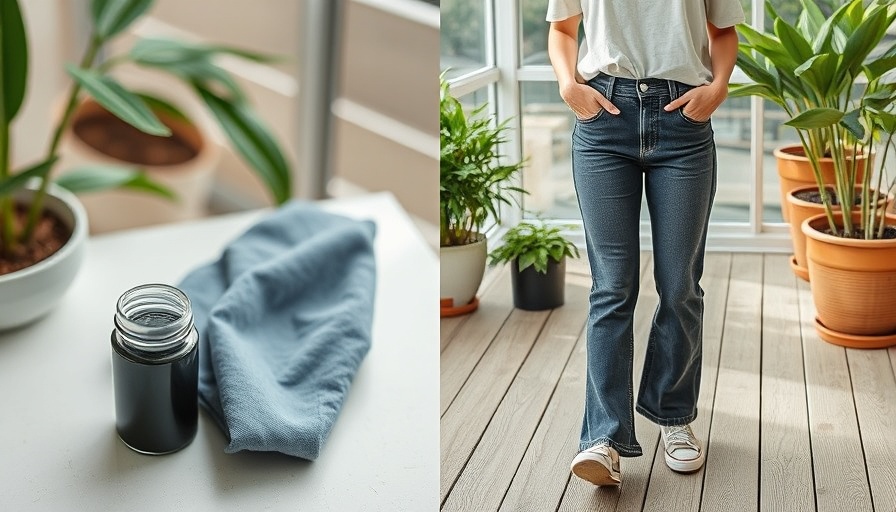
Unlock the Creative Potential: How to Dye Your Clothes
Dyeing your clothes may seem daunting, but it's an adventure in creativity that anyone can embark upon! Anyone can learn how to dye clothes and transform their old, unloved garments into stylish additions to their wardrobe.
The Transformative Power of Fabric Dyeing
Have you ever looked at your closet and felt that the colors you once loved no longer spark joy? Whether it's a discolored shirt or an outdated dress, dyeing is a fantastic option to rejuvenate them. As Katherine Morgan shares, a simple $4 bottle of dye can create an entire wardrobe refresh. Instead of tossing a favorite piece to the curb, why not restore it to life with a new hue? This method not only provides a unique touch to your attire but also contributes to sustainable fashion practices by keeping garments out of landfills.
Choosing the Right Dye for Your Fabric
When starting your dyeing journey, it’s essential to understand which dyes work best with various materials. Rit All-Purpose Dye is acclaimed for its versatility on natural fabrics such as cotton and wool and even on synthetic textiles like nylon. Always check the labels and remember that Rit offers a specific dye for synthetic fabrics. Understanding your fabric blend can significantly impact the final color outcome, so don’t shy away from experimentation!
Your Essential Dyeing Toolkit
Preparing to dye your clothes means gathering the right supplies:
- 1 bottle of Rit All-Purpose Liquid Dye
- 5-gallon bucket (having two is beneficial)
- Boiling water
- 1 cup of salt (for cotton, linen, etc.)
- 1 cup of white vinegar (for wool or silk)
- 1 teaspoon of mild dish soap
- Rubber gloves
- Hose or shower sprayer for rinsing
Additional items include a large stirring spoon and towels to safeguard your workspace.
Executing the Dyeing Process
To achieve the desired results through DIY dyeing, follow these straightforward steps:
- Prepare Your Garments: Before dyeing, ensure your fabrics are clean and pre-washed to remove any residues.
- Mix Your Dye Bath: Fill your bucket halfway with hot water. Add the dye, along with salt or vinegar as needed, then stir in mild dish soap. The mixture should be ready for your clothing.
- Add the Clothing: Wring out your clothes to retain moisture and immerse them in the dye bath. It’s important to keep stirring to ensure even dye application.
- Allow Time for Dying: Maintain this stirring until you reach the desired color depth. This process also allows you to monitor how your fabrics are changing.
- Rinse and Repeat: It’s crucial to rinse your clothes until the water runs clear and to run them through a gentle wash cycle afterward to remove leftover dye.
Embrace the Unexpected
One of the most delightful aspects of dyeing your clothes is the unpredictability of results. Achieving the perfect shade may require patience and an open mind, as shown in Katherine's experiences. In the end, you may find wearables that are not just different in color but also carry a story!
More than a DIY: A Sustainable Choice
By choosing to dye clothes at home, you're not only fostering your creativity but also promoting sustainability. The environmental impact of textile waste is vast. Embracing fabric dyeing can help you enjoy what you already own while reducing your footprint significantly.
Final Thoughts and Next Steps
Now that you’re armed with all the insights needed to begin dyeing your clothes, why not dive into your closet and map out your next project? Remember, home improvement is not solely about remodels; it can be as simple as injecting new life into your existing wardrobe. Scour your home for items that need a refresh and consider how you can use these techniques to transform your living spaces as well.
Whether it's a new color for that favorite shirt or a major project to remodel your kitchen, take the plunge! Find home improvement contractors near you to continue enhancing your living environment and truly personalize your space.


Write A Comment