
Add Row
Add Element
cropper
update
MCGRAIL ENTERPRISES
update
Add Element
  • Home
  • Categories
    • remodeling
    • Worcester
    • home
    • trends
    • tips
    • design
    • renovation
    • spaces
    • decor
    • inspiration
    • Extra News
February 25.2025
3 Minutes Read

The Essential Guide to Picking the Right Kitchen Layout for Your Space

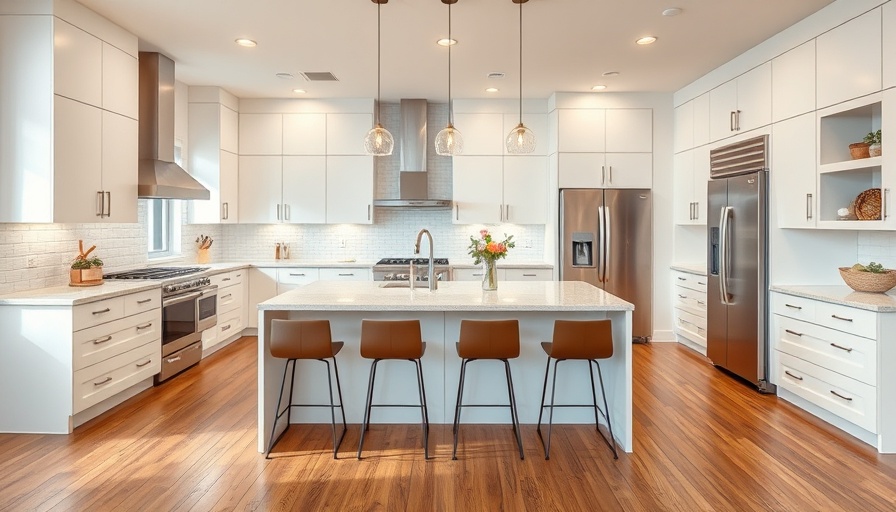
Modern kitchen layout with island and stylish design.

Understanding Kitchen Layouts: The Key to Your Remodeling Success

When embarking on a kitchen remodel, the layout isn't just a design choice—it's the foundation of your kitchen's functionality. Choosing the right configuration directly impacts cooking efficiency and social dynamics, making this decision paramount for homeowners.

Exploring Popular Kitchen Layouts

Various types of kitchen layouts cater to different cooking styles and household sizes. Popular configurations include:

  • Single Wall Kitchen: This layout incorporates all appliances along one wall, making it perfect for compact spaces but potentially lacking in workspace for larger families.
  • Galley Kitchen: Featuring two parallel countertops, galley kitchens emphasize efficiency but can feel cramped. This design is often seen in smaller homes.
  • L-Shaped Kitchen: Ideal for maximizing corner spaces, L-shaped kitchens promote movement between main work areas. However, they may leave excess unused space in larger kitchens.
  • U-Shaped Kitchen: A great choice for bigger areas, this layout allows ample storage and workspace, facilitating cooking with multiple individuals.
  • Island Kitchen: Islands are sought for their functionality and social spaces but require careful placement to maintain workflow efficiency.

Choosing the Best Layout for Your Space

To determine the most suitable kitchen design for your needs, follow these key steps:

  1. Assess Your Space: Measure dimensions accurately and identify structural constraints like windows and doors that could limit your options.
  2. Identify Your Needs: Consider how often you cook, your storage needs, and whether you frequently entertain. The layout should align with your cooking habits and lifestyle.
  3. Evaluate Workflow: A functional layout considers the efficient movement between key areas—sink, stove, and refrigerator—known as the work triangle.

Maximizing Efficiency in Small Kitchens

Creative solutions are especially vital in compact kitchen spaces, where optimizing every inch can make the difference between a cluttered mess and an efficient sanctuary. According to Homes & Gardens, several strategies include:

  • Utilizing natural light to expand the perception of space, making dark galley kitchens feel more inviting.
  • Employing open shelving to minimize the visual weight of upper cabinets, letting light bounce around the room.
  • Incorporating a moveable prep island or cart that can be relocated as needed to maximize versatility.
  • Using reflective surfaces and light colors to create an illusion of depth and brightness in tight areas.

Future Trends in Kitchen Design

As kitchens evolve, trends are shifting towards multi-functional spaces that seamlessly integrate with living areas. Expect to see:

  • Increased demand for smart appliances that enhance efficiency and user experiences.
  • Open floor plans that connect kitchens with dining and living areas, allowing for effortless hosting.
  • A greater emphasis on sustainability, with homeowners opting for eco-friendly materials and energy-efficient appliances.

Final Thoughts and Actionable Insights

Ultimately, the choice of kitchen layout should reflect your uniqueness, needs, and space constraints. Whether remodeling an existing kitchen or planning a new one, utilize these strategies to ensure your kitchen becomes a cherished gathering spot.

If you’re taking on a kitchen remodel, remember: It’s about creativity and function. Envision a space where form meets function and where family and friends can gather comfortably!

renovation

5 Views

0 Comments

Write A Comment

*
*
Related Posts All Posts
02.24.2026

How Jacobs’ $35 Billion Coastal Barrier Project Will Revolutionize Texas Home Safety

Update The Future of Coastal Protection: Jacobs Takes the Lead In a groundbreaking development for Texas, Jacobs has secured a vital role in the $35 billion Coastal Texas Project, which aims to revolutionize coastal defense strategies against violent storms and flooding. The project’s centerpiece, known as the Bolivar Roads Gate System, is poised to become the largest coastal storm surge barrier gate system worldwide. This ambitious endeavor is not just about engineering; it represents a generational investment in the resilience and future of Texas’s coastal infrastructure. Investing in Safety: What This Means for Texans According to recent statements from project leaders, including Eva Wood from Jacobs, the Coastal Texas Project is set to protect over 6 million residents while safeguarding approximately $800 billion worth of regional assets. This is a monumental step towards enhancing safety and economic stability along the Gulf Coast. The implications extend beyond mere flood barriers; they symbolize a proactive approach to climate challenges that will benefit families across the state, enhancing property values and peace of mind for homeowners and contractors alike. Enhancing Infrastructure: A Boost for Local Economies The research suggests that investment in infrastructure has a direct positive impact on local economies. With $950 million already allocated by the State of Texas and a recent federal boost of $5 million, there is momentum that signals robust support for this project. The continuity of operations along the Houston Ship Channel—integral to energy and shipping—will further stimulate jobs within the construction sector, providing opportunities for contractors and reinforcing the local economy. Technology at Work: Innovation and Resilience Jacobs' innovative strategies, such as digital modeling and advanced gate systems, play a crucial role in maintaining long-term operational reliability while allowing for seamless maritime traffic. This approach is vital as it combines the necessity of commerce with the imperative for environmental safety. Contractors are thus encouraged to embrace these advanced methodologies in their own projects, enhancing their own capabilities and market position. Conclusion: Taking Action for a Safer Future Homeowners, new homeowners, and families should not only stay informed about the progress of the Coastal Texas Project but also consider engaging home improvement services that prioritize safety and resilience in their renovations. Ensuring that your property is capable of weathering the impact of potential future storms is more than a precaution—it's part of a broader movement towards a sustainable and secure Texas. For families considering a remodel or addition, the safety improvements of home renovations can provide significant peace of mind in line with state initiatives that aim to fortify Texas's infrastructure.

Terms of Service

Privacy Policy

Core Modal Title

Sorry, no results found

You Might Find These Articles Interesting

T
Please Check Your Email
We Will Be Following Up Shortly
*
*
*