


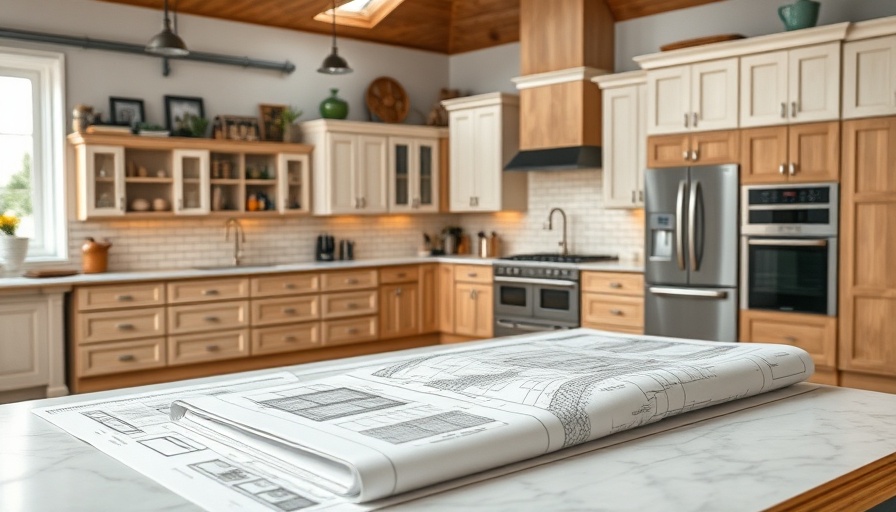
Understanding the Importance of Choosing the Right Cabinets
Cabinets play a pivotal role in both functionality and aesthetics in any kitchen remodel. They are not just mere structures for storage; they create an organized space, set the tone for the kitchen’s ambiance, and can dramatically influence its overall design. The right cabinets can infuse life into the kitchen while increasing its efficiency, making the culinary experience far more enjoyable. This article will delve into the key elements to consider when selecting kitchen cabinets, from budget considerations and material choices to style selections and functional enhancements.
Setting a Realistic Budget for Your Cabinets
The first step in your cabinet selection process is establishing a budget. Costs can vary broadly based on materials, customization options, and brand prestige. Stock cabinets tend to be the most affordable, yet semi-custom and custom alternatives may provide superior options for personalization at a higher price point. To maximize value, aim for quality while keeping an eye on durability, explore budget-friendly alternatives, and actively compare suppliers for cost-effective options.
Choosing a Cabinet Style that Speaks to You
Your chosen style dictates not just the functionality but also the overall vibe of your kitchen. Popular styles like Shaker, Traditional, Modern, and Rustic each imbue the space with a distinct feel. When selecting a style, consider how it harmonizes with your existing layout and decor. Additionally, the selection of door styles, whether flat-panel, raised-panel, or glass-front, greatly impacts aesthetics. A balanced combination ensures a cohesive, well-designed kitchen.
Selecting the Right Cabinet Material
Cabinet materials significantly affect both appearance and durability. Solid wood options such as oak, maple, or cherry promise long-lasting beauty but come with varying costs and hardness. For budget-conscious remodelers, alternatives like MDF, plywood, or laminate present excellent options. Each material has unique advantages and vulnerabilities, particularly regarding moisture resistance and ease of cleaning, which are vital for maintaining chic, durable cabinetry.
Finish and Color: Transforming Your Kitchen’s Look
The finish and color of your cabinets can transform the kitchen’s aesthetic. Stained finishes enhance the natural beauty of the wood, creating warmth, while painted cabinets offer a sleek and modern allure. Current trends suggest deep greens and navy blues for a contemporary twist, paired with the timelessness of whites and grays for lasting appeal. Consider coordinating cabinet finishes with your countertops and backsplashes for balanced design harmony.
Maximizing Storage and Functionality
Incorporating well-thought-out storage solutions is key to improving kitchen functionality. Drawer cabinets provide effortless access and enhanced organization, while traditional door-style cabinets allow for substantial space but may require additional shelving. Smart solutions such as pull-out shelves, lazy Susans, and built-in organizers optimize space, making kitchens not only more functional but also more user-friendly. Custom features like deep drawers for cookware or divided spaces for baking sheets elevate your kitchen’s usability.
Enhancing Style with Hardware and Accessories
Cabinet hardware—handles, knobs, and pulls—adds an essential layer of functionality and stylistic finish. Selecting hardware that aligns with your cabinet style is paramount for a cohesive look. Additional features like soft-close hinges and under-cabinet lighting not only amplify convenience but also enhance visual appeal, blending practicality and style seamlessly.
Common Mistakes to Avoid When Choosing Cabinets
Even seasoned remodelers can fall prey to common missteps. One crucial aspect is fully understanding your kitchen space. Homeowners often overlook the necessity of accurately assessing room dimensions and existing appliances, which can lead to suboptimal cabinet provisioning. Additionally, investing in overly trendy styles may not serve long-term needs. Timeless designs coupled with high-quality materials often provide the best longevity, avoiding costly redecorations in the future.
Leveraging Expert Tips for Successful Selection
Professional designers emphasize the importance of taking your time to explore various styles and materials thoroughly. Engaging with design and manufacturer websites allows for better understanding and access to trends. They advocate for spending time observing physical samples in showroom settings, while also considering personalized guidance from specialists who can help navigate complex options.
Conclusion: Invest in Your Kitchen’s Future
The decision of what cabinets to choose can significantly influence the utility and style of your kitchen. By considering factors like budget, style, material, and functionality, you pave the way for both immediate satisfaction and long-term success in your kitchen remodel. Don’t rush into the decision; take your time and make informed choices to ensure your kitchen remains a beloved space for years to come.


Write A Comment