
Add Row
Add Element
cropper
update
MCGRAIL ENTERPRISES
update
Add Element
  • Home
  • Categories
    • remodeling
    • Worcester
    • home
    • trends
    • tips
    • design
    • renovation
    • spaces
    • decor
    • inspiration
    • Extra News
March 01.2025
3 Minutes Read

Cabinet Refacing vs. Replacement: Which Is Best for Your Remodel?

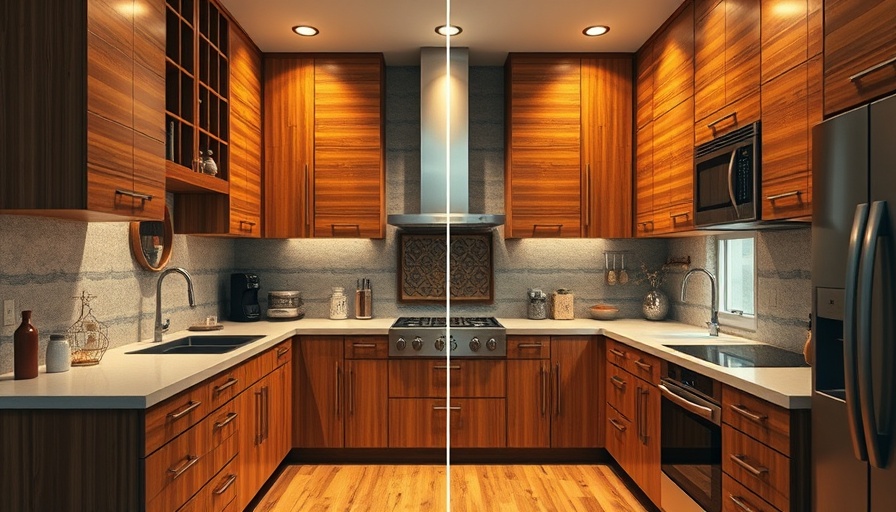
Comparison of cabinet refacing vs replacement in a modern kitchen.

The Dilemma of Cabinet Refacing vs. Replacement: What You Need to Know

When embarking on a kitchen renovation, homeowners often grapple with a significant question: should they reface their cabinets or opt for a full replacement? Understanding these two distinct approaches can be time-consuming and confusing, making it essential to weigh the benefits and drawbacks of each option carefully. This article aims to illuminate the nuances of cabinet refacing versus replacement, ensuring you can make an informed decision that aligns with your remodeling goals.

Understanding the Basics: Refacing vs. Replacing

Cabinet refacing is primarily a cosmetic upgrade that allows you to refresh the appearance of your kitchen without the complexities and costs of a total overhaul. This method involves replacing only the cabinet doors and drawer fronts while keeping the existing frames intact. Refacing can be quicker to complete and significantly less expensive compared to a full kitchen remodel, which requires removing and replacing cabinets, countertops, and possibly flooring.

Why Choose Cabinet Refacing?

The primary advantage of cabinet refacing is cost savings. Homeowners can often rejuvenate their kitchens for a fraction of the price needed for a complete replacement. With refacing, amenities like countertops and appliances can be preserved, maintaining the overall budgetary constraints that most homeowners face. Another benefit is time. A refacing project can typically be completed in a much shorter time frame than a complete renovation, making it particularly appealing for those looking to quickly enhance their space, especially if a home is being prepared for sale.

Is Refacing Always Cheaper?

Generally, yes. While the initial investment in refacing cabinets might seem substantial, the total costs are often 60-70% less than a complete replacement. However, homeowners must be cautious about potential additional expenses such as custom hardware or structural reinforcements. For many, the promise of transforming their kitchen with minimal disruption makes refacing an attractive option. Yet, caution is advised—each case is unique, and hidden problems within old cabinetry can arise.

Evaluating the Cabinet Refacing Process

The refacing process entails removing existing cabinets' doors and drawer fronts, fixing up the frames, and installing new fronts, hinges, and possibly enhancing the existing structure with paint or stain. This would not only revitalize your kitchen but might also involve creating a distinctive new look through modern finishes and hardware that reflect current trends.

Comparative Benefits: When to Replace

While refacing offers many advantages, complete replacement has its own set of benefits worth considering. Choosing to fully replace cabinets allows for the installation of upgraded materials and custom designs that might better fulfill your aesthetic goals and functional needs. Additionally, new cabinets can include better storage solutions, enhanced functionality, and improved energy efficiency. Furthermore, for older homes, a complete replacement could address potential structural issues or outdated materials that might not comply with current building codes.

Beyond Cabinets: Additional Cosmetic Improvements

While kitchen cabinetry is a focal point, there are versatile ways homeowners can enhance their kitchens without undergoing extensive renovations. Painting existing cabinetry, modernizing hardware, or installing accessories like pull-out shelves can transform the overall look and functionality of the space. Depending on skill level and budget, several DIY fixes can add value without significant investment.

What to Consider for Kitchen Remodeling Services

Whether you're leaning toward refacing or replacement, seeking a reputable home remodeling service near you can provide valuable insights so you make the best choice for your living space. Consultations with experienced home contractors can uncover potential discounts, design options, and logistical considerations you may not have previously encountered.

Your Next Steps in Kitchen Transformation

As you evaluate your options between cabinet refacing and replacement, consider the potential value each choice brings to your home. Whether you plan to live in your home long-term or are preparing it for sale, understanding the differences between these two popular kitchen renovation strategies will help you make an informed decision that aligns with your needs, style, and budget.

For more insights on how to rejuvenate your kitchen, find a trusted home remodeling service near you today!

renovation

5 Views

0 Comments

Write A Comment

*
*
Related Posts All Posts
11.07.2025

Supreme Court Challenges Trump's Tariff Powers: What Homeowners Should Know

Update Supreme Court on Trump’s Tariffs: A Landmark Review In a historic case before the U.S. Supreme Court, justices are questioning the administration's justification for imposing sweeping tariffs under the 1977 International Emergency Economic Powers Act (IEEPA). The outcome could have significant ramifications for the authority of future presidents and the legislative balance of power. The Core of the Case: Presidential Powers vs. Congressional Authority During oral arguments, legal representatives debated whether the IEEPA grants the president the power to levy tariffs, which are typically reserved for Congress as per Article I of the Constitution. The plaintiffs, a coalition of states and small businesses, argue that Trump's claims of 'reciprocal tariffs' based on national emergencies are an overreach of jurisdiction. As reported by legal experts, skepticism was evident among the justices, particularly regarding the Trump administration’s expansive interpretation of the IEEPA. Chief Justice John Roberts pointed out the uniqueness of invoking IEEPA for broad tariffs, highlighting a lack of historical precedent. The Potential Impact of the Court's Decision Many agree that a ruling against Trump could necessitate substantial tariff refunds and potentially unravel numerous trade agreements. If the justices affirm the plaintiffs' stance, it would assert that Congress holds the sole power to set tariff policy, thereby reaffirming the constitutional balance of power. Further complicating matters, if upheld, Trump's tariffs could encourage future presidents to bypass Congress entirely by declaring other situations as 'national emergencies.' This would have implications stretching far beyond trade, impacting various aspects of governance. Community Concerns: How Will This Affect Homeowners and Contractors? For homeowners, particularly those interested in home improvement and remodeling, the tariffs could lead to increased prices for materials and services. Contractors may face additional challenges with supply chain disruptions, which can affect project timelines and costs. Understanding the broader impact of such legal decisions can empower homeowners to make informed choices about their renovation projects and seek out local home improvement services. Calls for Accountability and Transparency The Supreme Court's decision could not only shape tariff policy but also redefine the need for checks and balances in presidential powers. Advocates argue for the importance of legislative oversight to prevent unilateral decisions that could disrupt local economies, especially for communities engaged in home renovations and improvements. The upcoming ruling will shed light not just on tariffs but will set a precedent for how future administrations can utilize emergency powers. It reinforces the idea that Congress must not be sidelined in matters of significant economic impact, ensuring accountability for the American people's interests. As homeowners and contractors closely watch these developments, the courts' ruling could have lasting implications on economic policies and home renovation costs nationwide.

11.06.2025

What Contractors' Pay Strategies Reveal About the Future of Home Remodeling

Update The Shifting Landscape of the Construction Job Market The construction industry is witnessing a pivotal shift as compensation strategies evolve in response to economic fluctuations. Recent reports highlight a slowdown in construction salary growth, as contractors cautiously adjust their approaches amid market uncertainties. According to a report from Baker Tilly, the rapid wage increases that characterized prior years are beginning to stabilize, offering a glimmer of hope for both contractors and homeowners eyeing renovation projects. Understanding the Current Pay Trends in Construction With wages rising sharply in the wake of labor shortages and inflation, the landscape is now seeing much-needed moderation. Between August 2023 and August 2024, construction employment saw an uptick of 2.5%, outpacing overall job growth. Nonetheless, projections for 2026 indicate further stabilization as many companies are shifting their focus from aggressive salary increases to merit pay and cash incentives. The Immigration Factor and Workforce Dynamics Compounding these changes is the broader impact of immigration policies. As highlighted in various reports, including insights on immigration enforcement's disruption of the construction workforce, these policies can significantly affect the labor market. In states like California and Texas, where immigrant workers account for a significant share of craft labor, changing immigration regulations could result in higher labor costs and project delays, influencing home renovations and construction services across the board. Future Predictions: What’s Next for Homeowners and Contractors? Looking ahead, the construction sector must adapt to maintain competitiveness amid these shifting trends. Homeowners seeking quality renovation services may find themselves navigating a market where contractors employ more strategic, holistic compensation models. This means considering not just salary but also employee engagement and long-term benefits. How Homeowners Can Prepare for the Evolving Market For those considering home improvement or remodeling, understanding these dynamics can help in decision-making. As labor costs stabilize, homeowners might find opportunities to undertake that long-awaited kitchen or bathroom remodeling project, while contractors align their strategies to adapt to these market conditions. Investing in home remodeling services now may provide both aesthetic and financial benefits, especially as price stabilization could lead to cost-effective solutions for home improvement projects in the coming years.

11.05.2025

How Smart Construction is Redefining Infrastructure Projects Today

Update Revolutionizing Infrastructure: Smarter Construction is Here The infrastructure landscape is changing as companies like Ferrovial lead the way in making construction projects smarter, emphasizing risk management and digital innovation. As the industry grapples with challenges such as labor shortages and inflation, the approach to infrastructure must adapt to meet the needs of both current and future projects. Cutting-Edge Risk Management Strategies Ignacio Gastón, CEO of Ferrovial Construction, emphasizes the importance of taking calculated risks. With complexities in projects like the I-66 corridor and JFK Airport’s New Terminal One, a proactive risk management strategy is essential. Companies are now prioritizing early risk assessment and employing technologies that enable real-time monitoring and automated decision-making, ensuring aligned project goals and operational efficiency. The Integration of Technology Technology plays a pivotal role in increasing the efficiency and reliability of infrastructure projects. Ferrovial integrates AI-powered tools for risk assessment, which helps in the continuous evaluation of risk factors throughout a project’s lifecycle. This integral shift toward technological dependency ensures smoother operations and fosters innovation. The rise of smart infrastructure, fueled by digital data, offers insights that can mitigate unexpected issues, ensuring projects stay on time and budget. The Future of Infrastructure Projects Looking ahead, construction firms must balance long-term strategic investments with short-term operational risks. As Gastón notes, successful projects are anchored in high-growth areas, where pricing power exceeds inflationary pressures. This strategic positioning not only mitigates risk but also supports economic growth within communities. Homeowners and contractors alike can look to these innovations as a hallmark of what future projects will entail—smarter, faster, and more integrated. Embracing Change for Better Outcomes With projected infrastructure investments reaching $106 trillion by 2040, adapting to new realities is essential. Collaboration among project partners is critical, as is understanding evolving policy adaptations that can impact project pipelines. By fostering a collaborative environment and embracing the technological tools available, contractors and homeowners can effectively navigate the complex landscape of modern infrastructure. As the infrastructure sector continues to evolve, understanding how smart construction can transform every project aspect—from design to execution—will be invaluable. It promises not only resilience in the face of challenges but also opportunities for enhanced quality of life in urban environments.

Terms of Service

Privacy Policy

Core Modal Title

Sorry, no results found

You Might Find These Articles Interesting

T
Please Check Your Email
We Will Be Following Up Shortly
*
*
*